Most Well-Known Japanese Maple Bonsai Cultivars – Part II
Acer Palmatum 'Beni chidori'
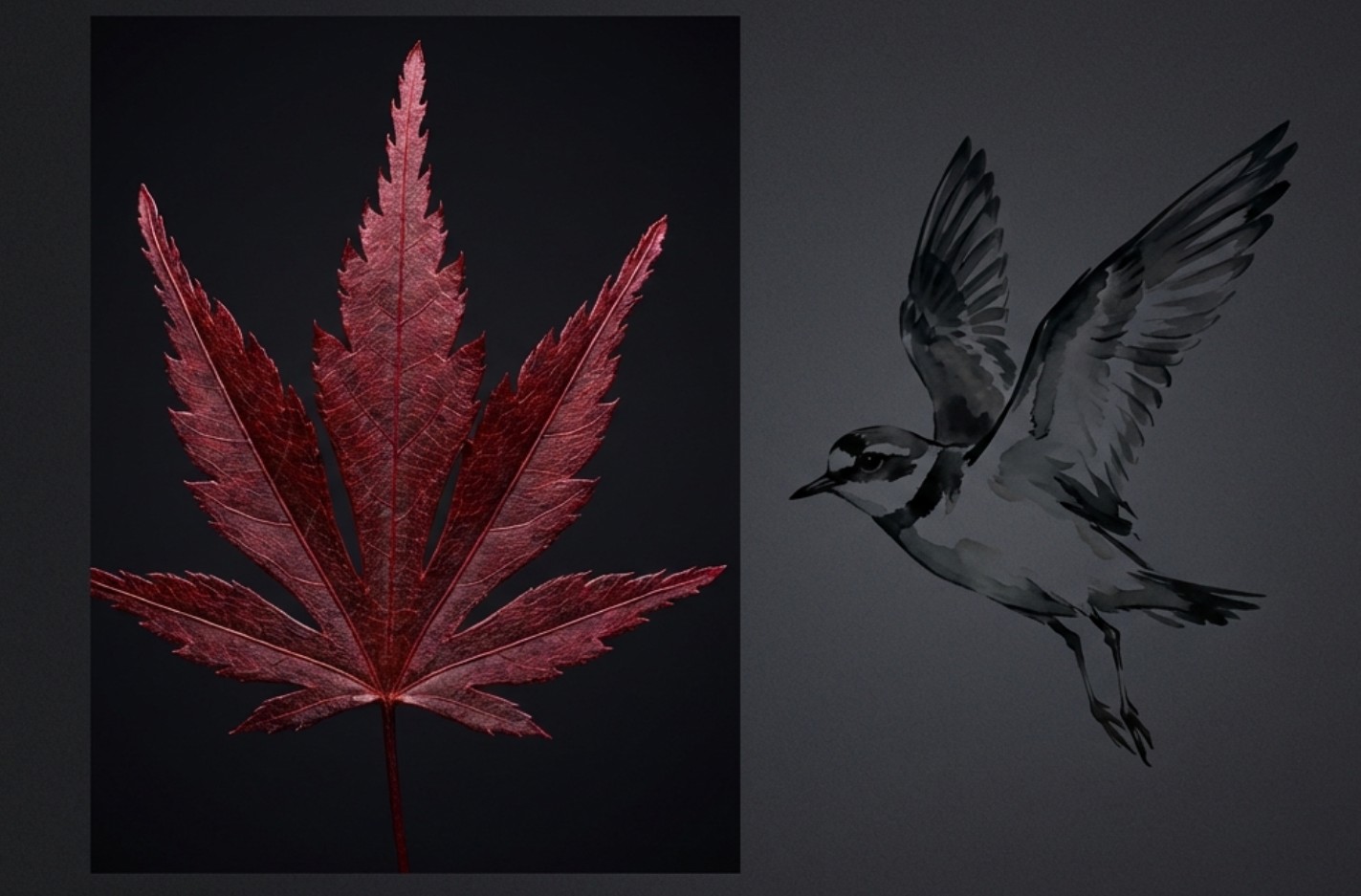
Acer palmatum ‘Beni chidori’ belongs to those Japanese maples where you can sense from the very first moment that this is not simply an ornamental tree, but a genuine character. This cultivar holds a special place in the world of bonsai, because it is at once delicate, sensitive, and yet responds surprisingly well to deliberate shaping. Its name means red plover in Japanese, and there is indeed something bird-like and graceful in the way its fresh shoots emerge in spring.
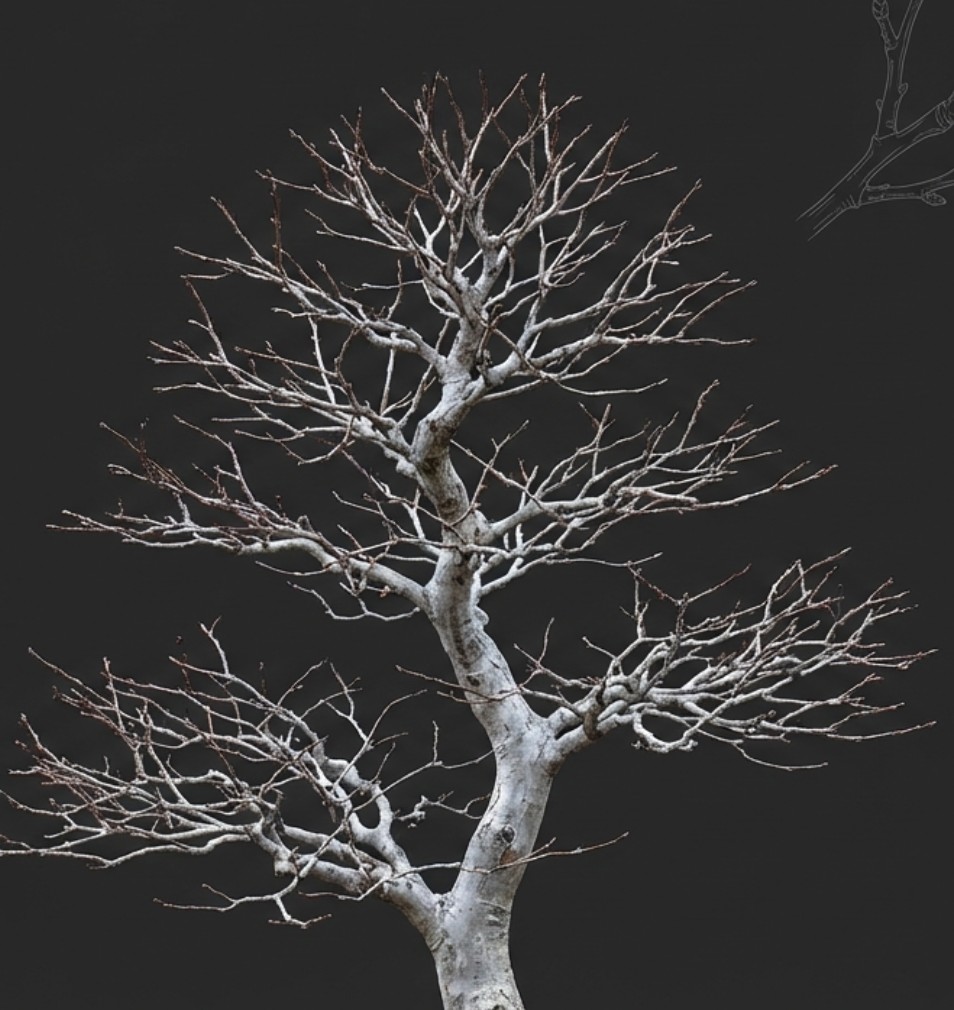
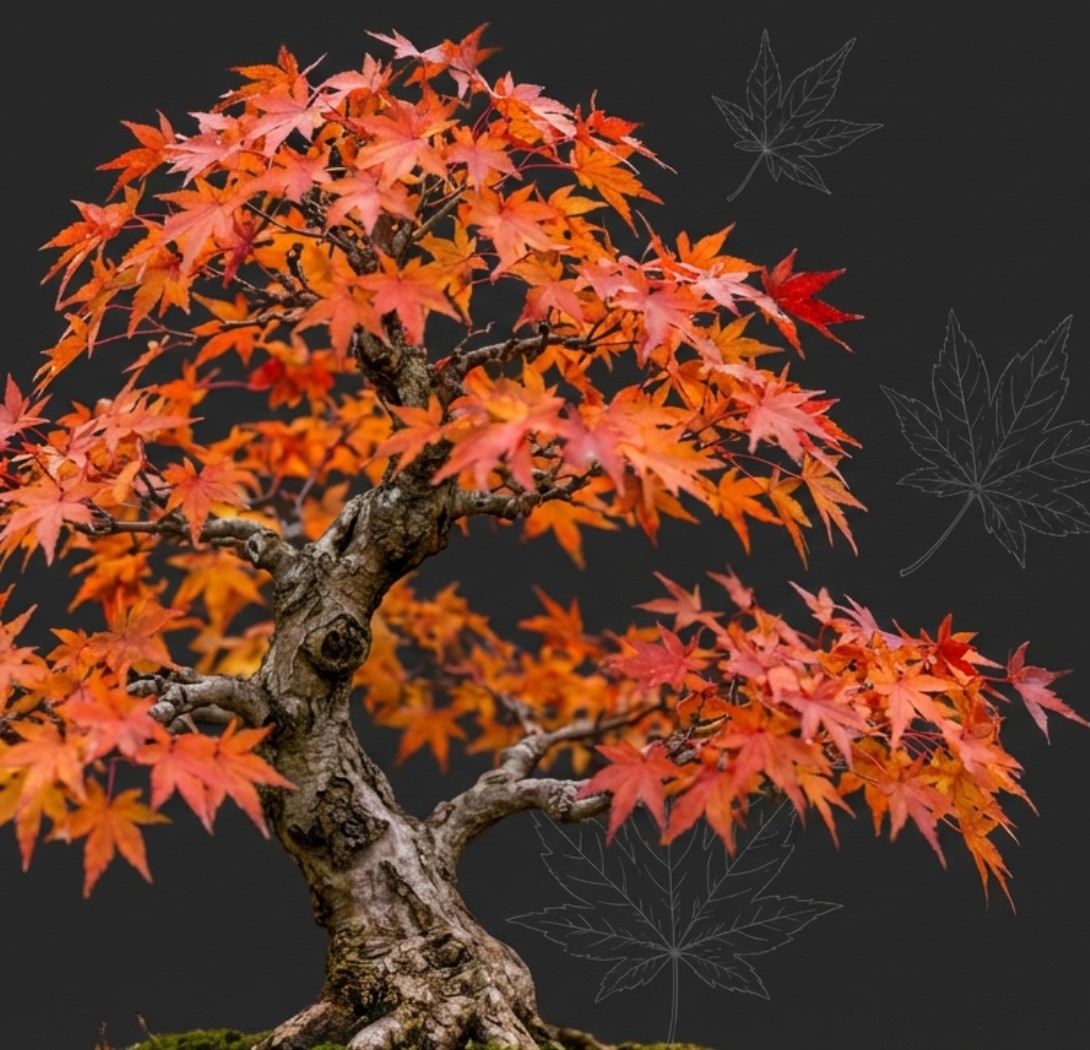
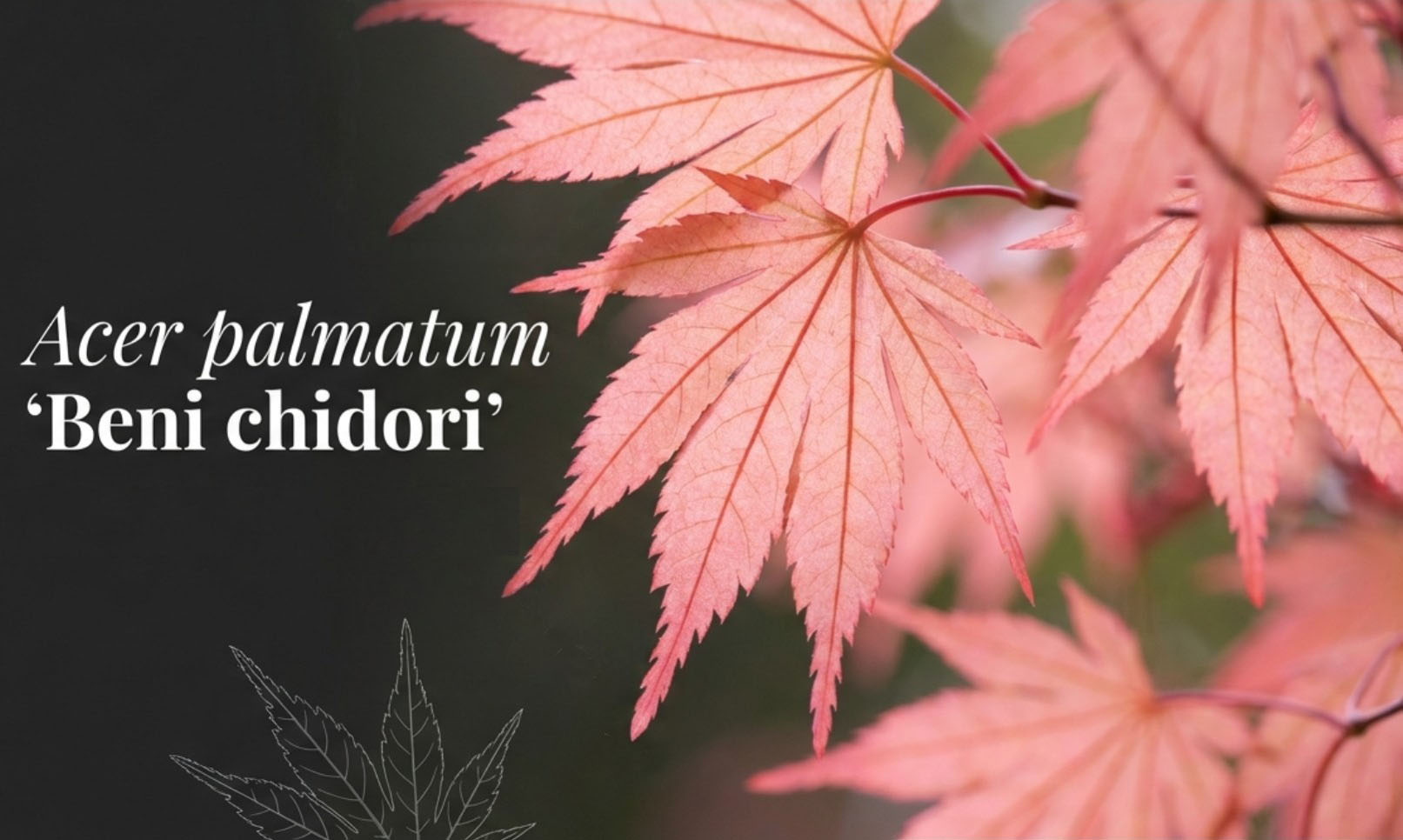
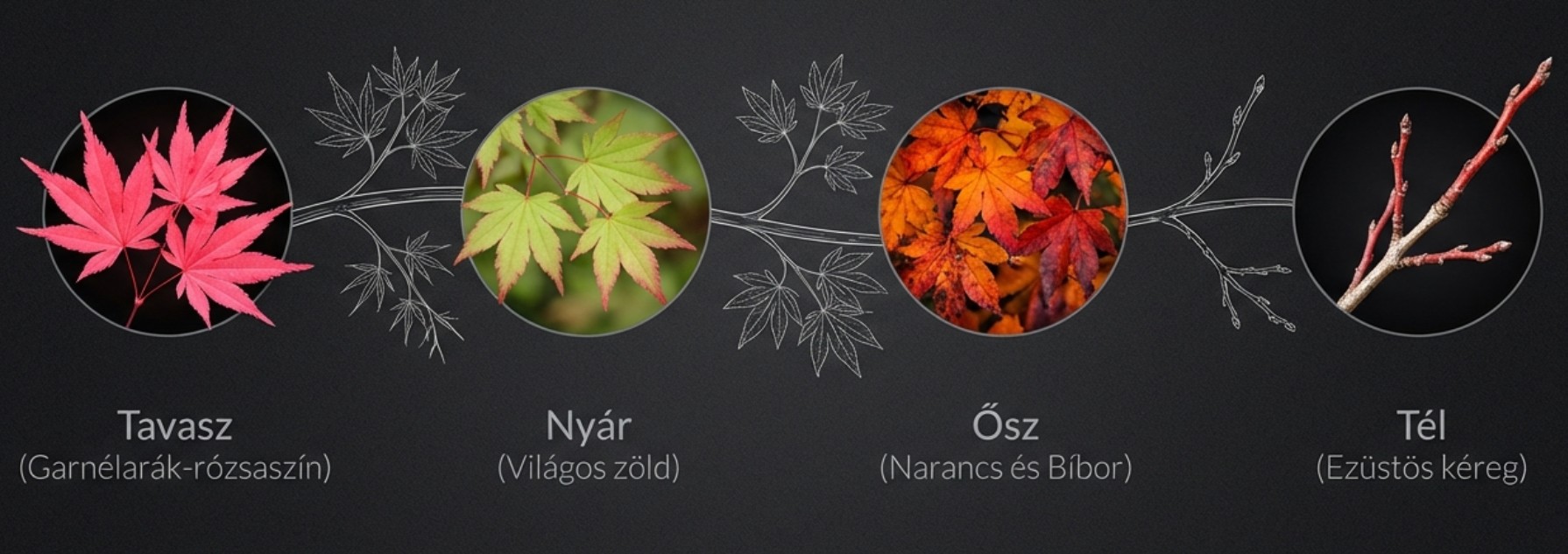
The true magic of ‘Beni chidori’ lies in its seasonal transformation. In spring, the leaves emerge in a vivid, almost luminous pinkish-red hue, often with shrimp-red tones, then gradually shift toward reddish-orange as yellowish light appears along the leaf margins and veins. As summer stabilises growth, the foliage softens to a light green — a natural, healthy phase in the tree’s energy cycle. Then in autumn the colour erupts again, and the canopy closes the year in brilliant scarlet. Even in its leafless state it never becomes featureless, because the reddish shoots and the fine bark of older branches lend character to the silhouette throughout winter.
The leaves are small, deeply divided, typically cut into five lobes, the internodes are short, and the shoot structure is naturally dense. This is precisely the combination bonsai growers seek, as it allows the development of a compact canopy without the need for constant artificial restriction. The cultivar is slow-growing and inherently compact, so even when left to grow freely it develops into a tree of only a few metres, while in a pot it remains especially easy to control.
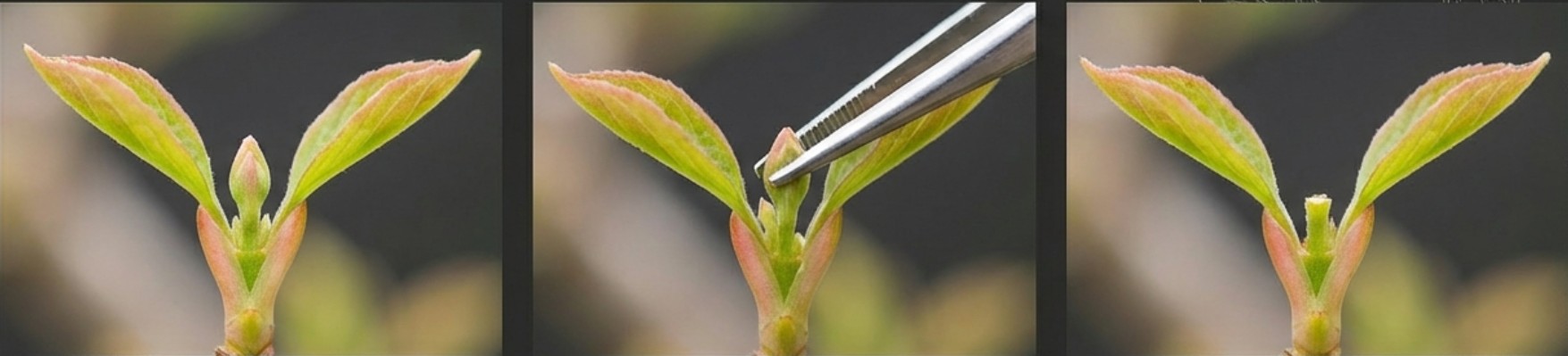
It responds exceptionally well to pruning. Cut-back branches readily push new buds, and back-budding on older wood is reliable — a rare quality among fine-leaved Japanese maples. This means that not only can a young plant be shaped with confidence, but an already developed bonsai can remain maintainable over the long term. Pinching back shoot tips in spring quickly densifies ramification, while structural pruning is safest during the period of slowing vegetation, when the risk of sap bleeding is reduced.
Its root system is surprisingly vigorous relative to the delicacy of its foliage. This not only makes container cultivation easier, but also allows the plant to be grown on its own roots. ‘Beni chidori’ propagates well from cuttings and by air layering, so a grafted specimen on a seedling rootstock is not strictly necessary — which is a distinct advantage from a bonsai perspective, as it avoids the aesthetic problem of a graft union and allows a more natural nebari to develop.
That said, it does not belong among the entirely trouble-free maples. The foliage is more sensitive, making it especially important throughout the year to avoid severe abiotic stress. A semi-shaded or filtered-light position is far safer for it, as in summer heat the leaves can scorch easily. The soil should be well-draining and slightly acidic, and watering should be consistent, because in a small pot the root ball can dry out quickly, yet it also will not tolerate waterlogging. Although it is fundamentally frost-hardy, the late-winter period can be critical, as buds that break early are easily damaged by a late frost.
The risk of soil-borne vascular wilt diseases, well known among Japanese maples in general, is ever present — these can cause sudden dieback in branches by blocking the vascular tissue. With this cultivar too, prevention is paramount: a clean growing medium, sterile tools, and avoiding overwatering matter far more than any intervention after the fact.
‘Beni chidori’ is therefore not simply another pretty Japanese maple among many, but a cultivar that is almost a textbook example of when natural habit and bonsai aesthetics meet perfectly. Its delicate leaves, short internodes, dense branch structure, and dramatic colour changes make it a stunning specimen in every season of the year. If one is willing to pay a little extra attention to environmental stability and spring frost protection, this maple can become one of the most characterful pieces in a collection for many years to come. A true favourite among bonsai collectors.