The True Value of Quality Bonsai
Why are quality bonsai so expensive? And what is their real price?
What is bonsai, really? The word is Japanese in origin, meaning: a tree planted in a container. But bonsai is not a type of tree. It is a technique. Practically any species of tree can be grown as a bonsai — from junipers to maples to pines. The goal is to make a tree standing in a small pot look like a full-sized, ancient tree shaped by wind, weather, and centuries of growth.
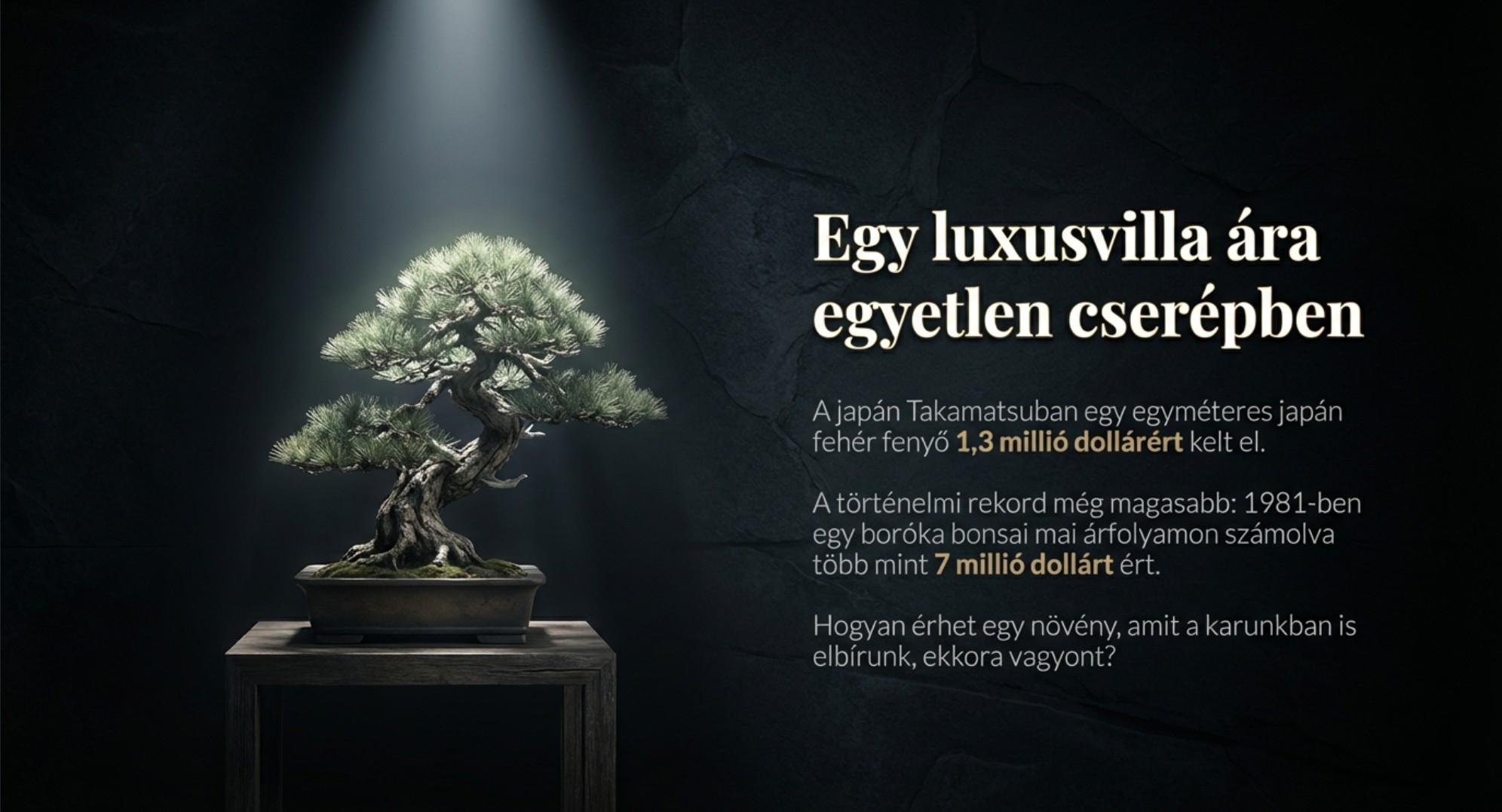
What you are really trying to create is the illusion of time. And creating that illusion requires real time. If you start a bonsai from seed, it takes 3–5 years before the trunk is strong enough. More years pass before the silhouette takes shape. Decades before character emerges. And sometimes centuries before it becomes a legend.
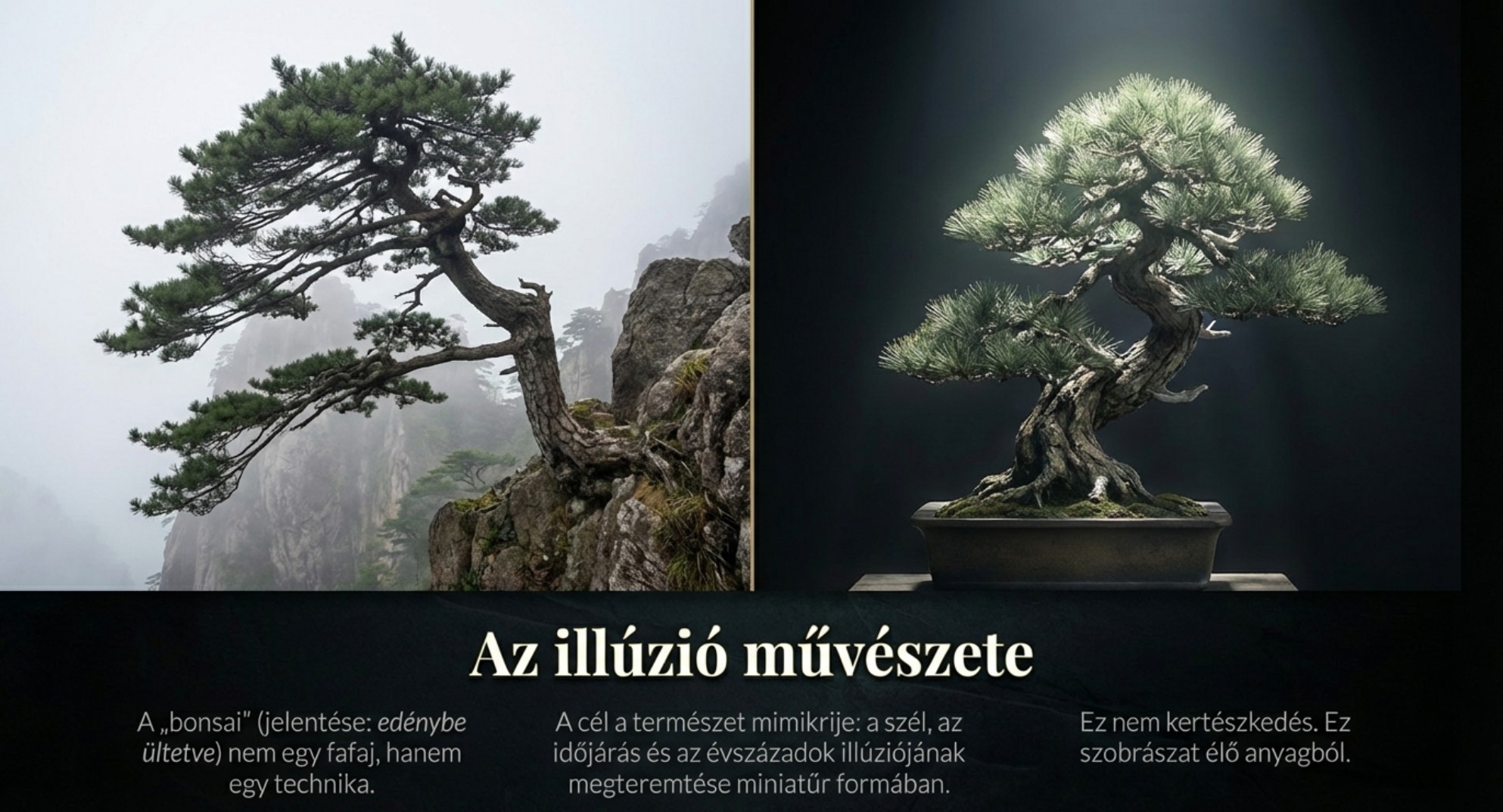
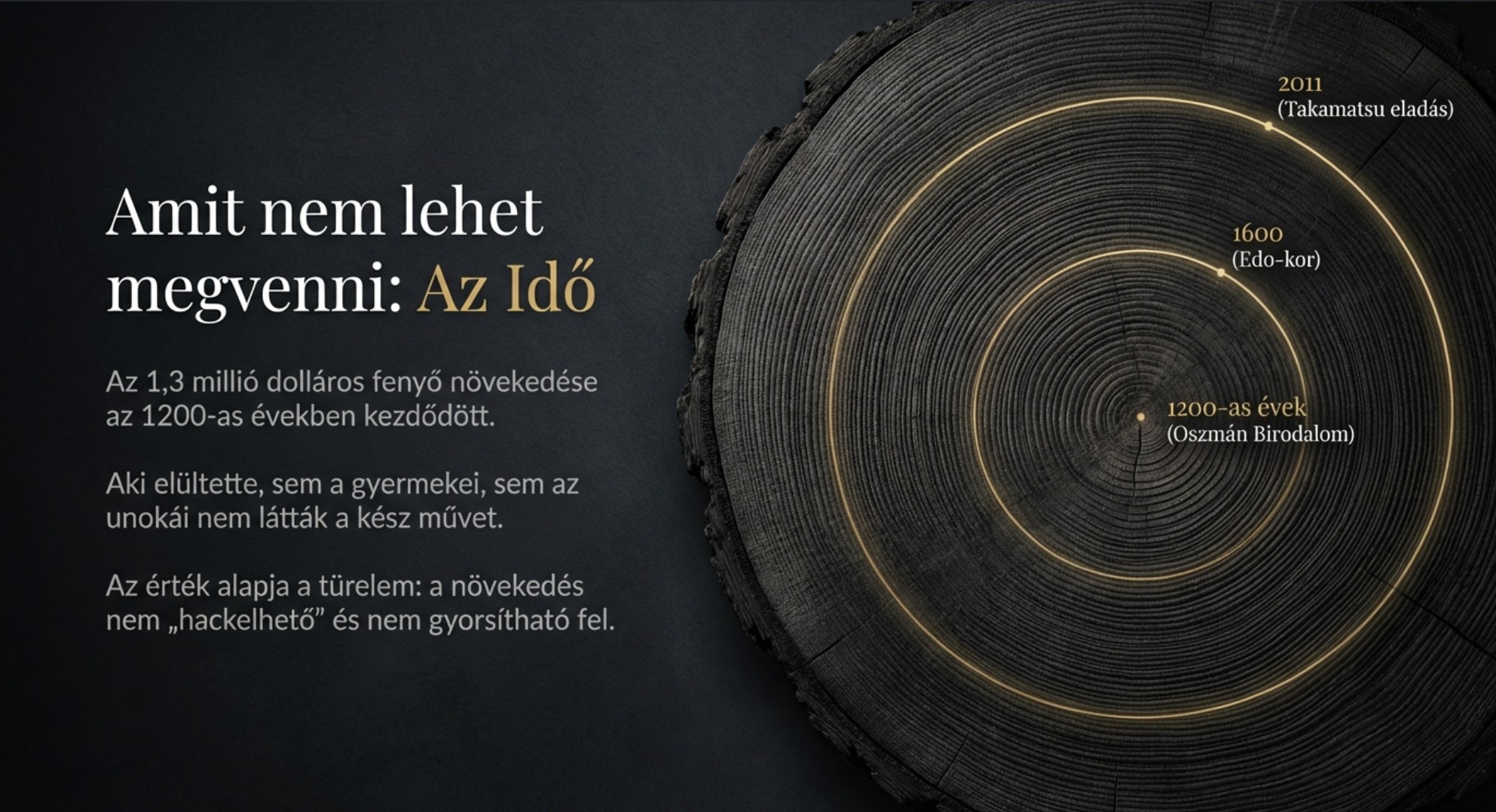
The most breathtaking specimens are 20, 30 years old — sometimes several centuries. The white pine that sold for $1.3 million began its growth around the 1200s. It was already being cultivated as a bonsai before the Ottoman Empire even existed. Whoever planted it never lived to see the finished work. Neither did their children, nor their grandchildren — it passed through many generations, hand to hand.
This is no exaggeration. A bonsai grown in a shallow pot can dry out completely within just a few hours in summer. Many trees need watering two or three times a day in the heat. Miss a single watering on a hot day, and a tree nurtured for fifty years can die in a single afternoon.
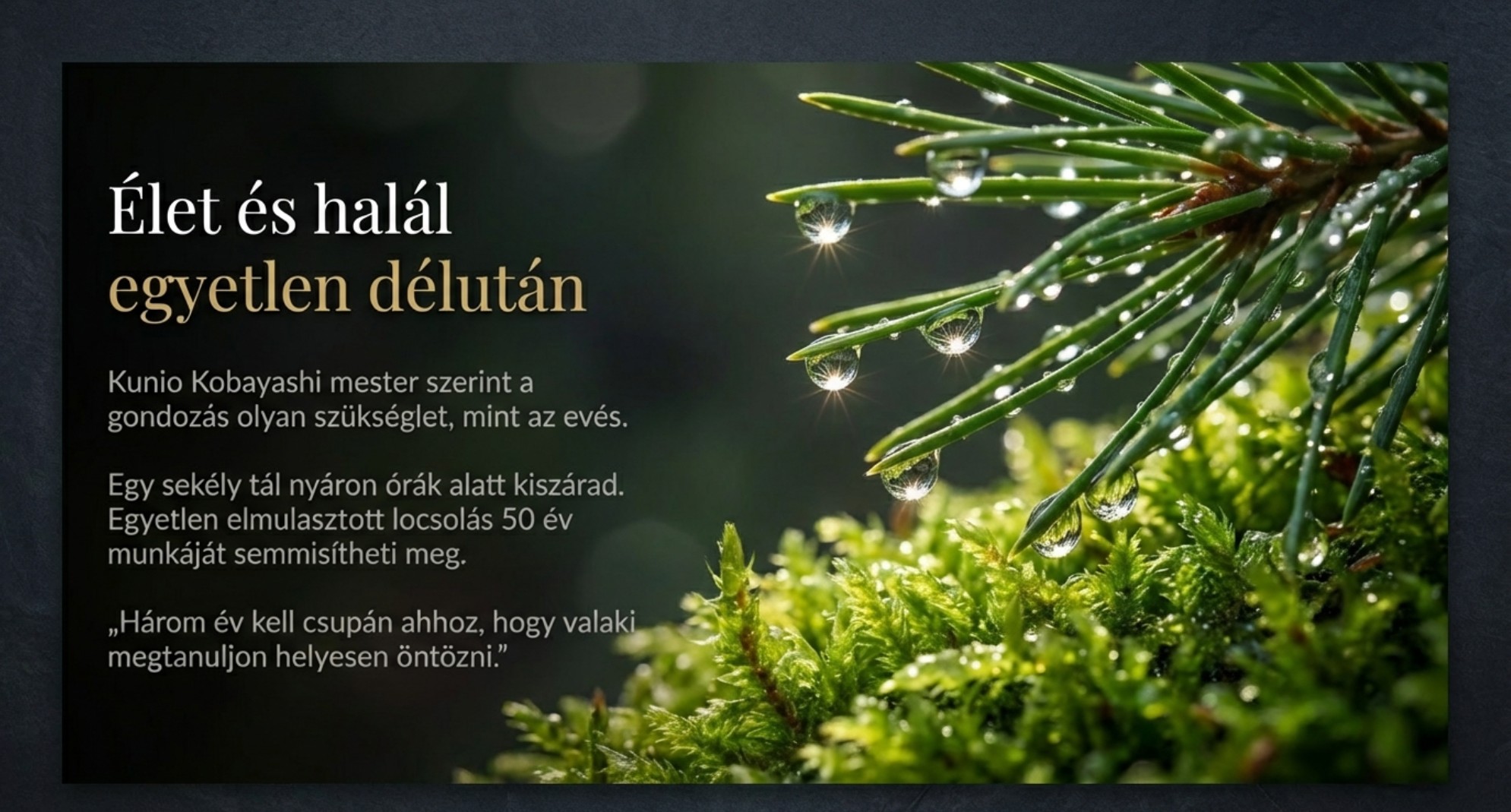
In Japan, there is a saying: it takes three years just to learn how to water properly. But watering is only the beginning. Wiring is an art in itself. Bonsai masters use a technique called wiring, where thin copper or aluminium wire is wrapped around branches to slowly bend and shape them over the course of months. If you choose the wrong angle, you can undo years of growth. If the wire stays on too long, it cuts into the bark and leaves permanent scars. The wire must be watched constantly and removed at precisely the right moment.

Repotting and roots. Every 1–3 years, a bonsai must be repotted. This means carefully removing the tree, pruning its roots back by hand, and placing it in fresh soil. It sounds simple, but root pruning is what keeps a bonsai alive in such a small container. Make a mistake, and the tree either becomes root-bound and slowly dies, or goes into shock and dies quickly.
Defoliation. Advanced techniques demand even greater attention. Defoliation involves removing every single leaf from certain trees in early summer, forcing them to produce a new flush of smaller leaves. On a healthy tree, the results are beautiful. On a weak specimen, however, it can be fatal.
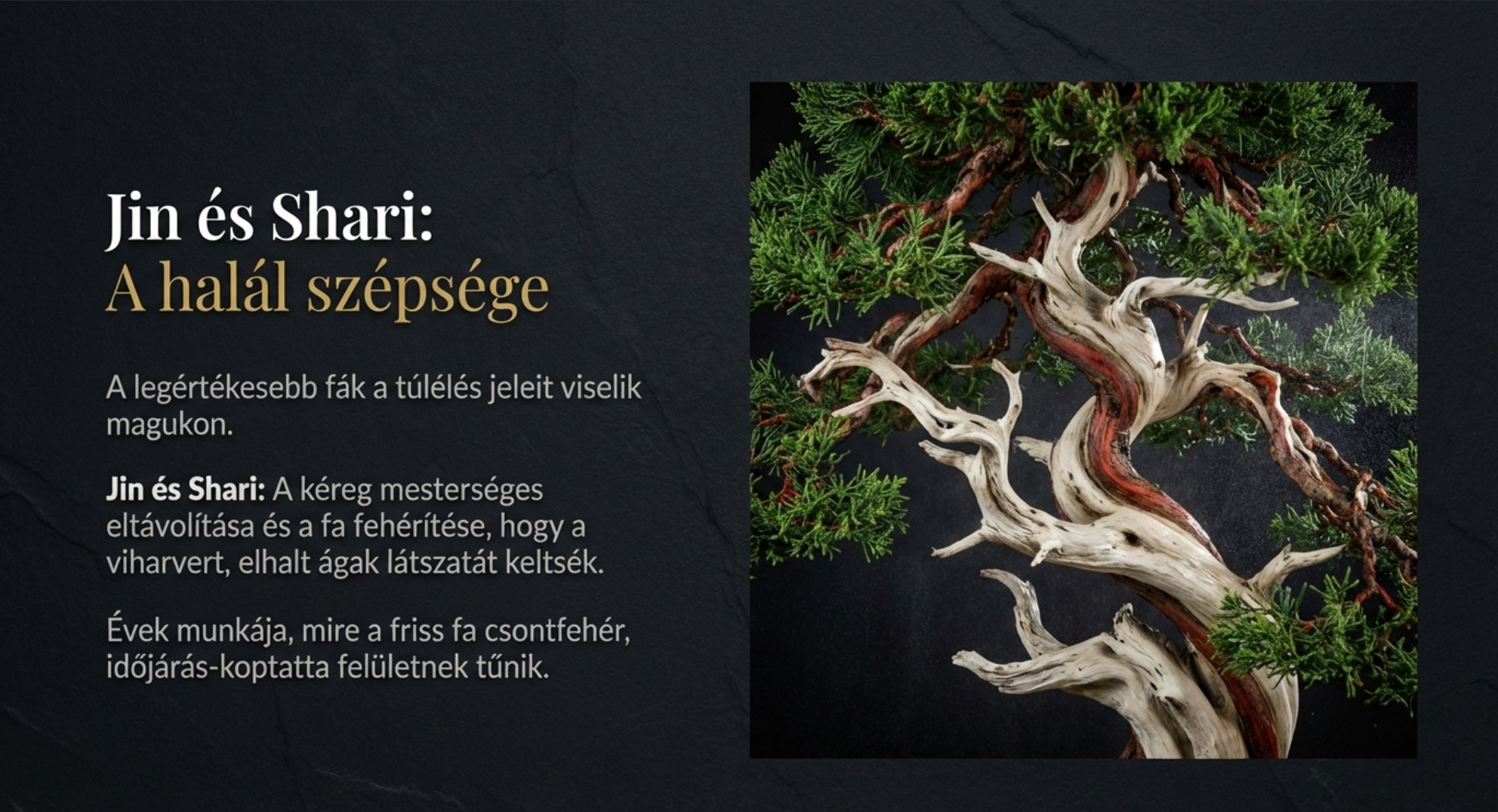
Deadwood creation. Creating deadwood details — known in Japanese as jin and shari — involves carefully stripping the bark to mimic naturally dead branches. It takes months or years before the wood develops that weathered, bleached, ancient quality that is the hallmark of old trees.
Years of training. Mastering all of these techniques takes years. In Japan, it has traditionally required 6–10 years of apprenticeship just to learn the fundamentals. Kunio Kobayashi himself has trained more than 200 students, and says it takes around 5 years before someone can be considered a trained bonsai artist. And even then, they are only at the beginning of the road. The apprenticeship is an extraordinarily intensive training. German bonsai artist Valentin Brose studied under Kobayashi in Tokyo (Shunka-en) for 3.5 years, working 12–18 hours a day with only one day off per month.
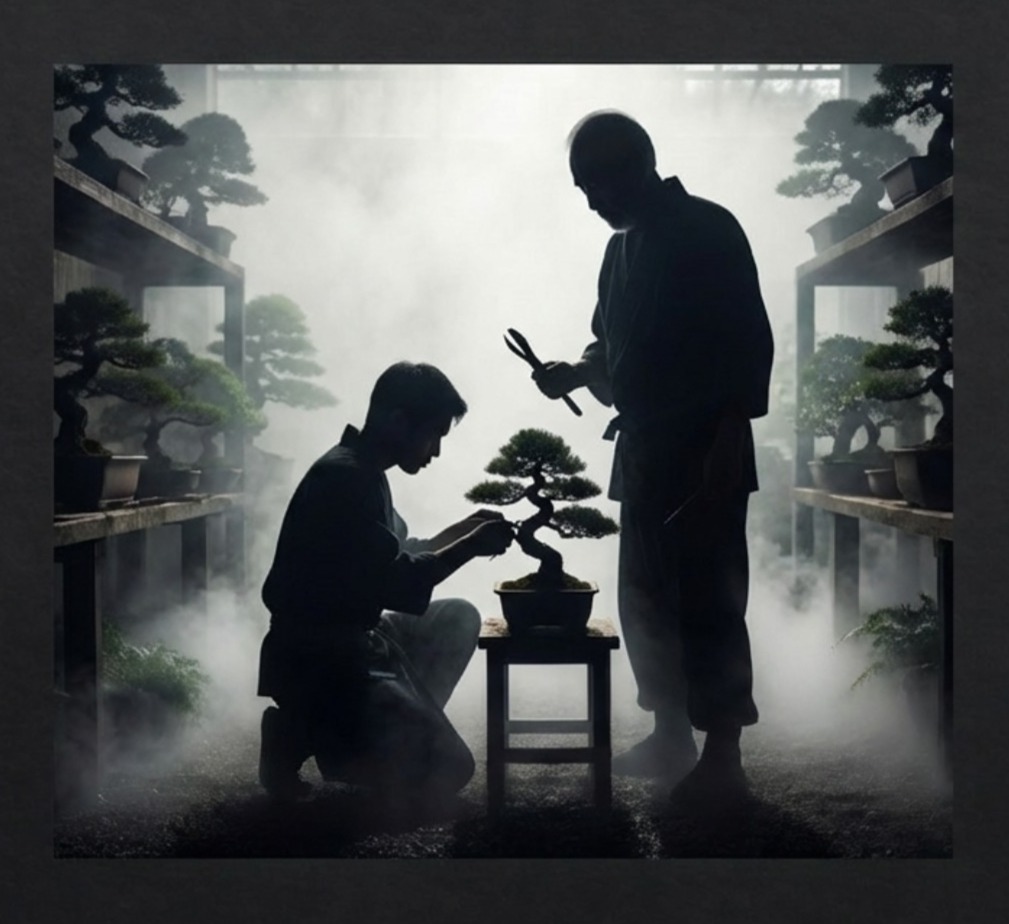
They rose at 6 in the morning, tended the trees at dawn, assisted the master, and the hierarchy was strict — those who had been there longer held seniority. Apprentices live with the master’s family, share meals, and the training proceeds with paternal mentorship, unconditional respect, and honesty — Kobayashi himself emphasises this. This “deshi” (apprentice) system is demanding, but it transforms lives, sometimes causing culture shock for the apprentices.
This is also why an inexpensive bonsai and an expensive one look so fundamentally different. Most cheap bonsai — the kind you see in garden centres for $20–50 — are mass-produced in China. The trees are grown in the ground for 3–5 years until their trunks thicken, then cut back to a few centimetres and potted. The result has a thick base but lacks the gradual taper, the refined ramification, and the aged quality of a carefully cultivated tree. The wound left by the cut may never fully heal — it remains visible forever.
By contrast, a bonsai grown by traditional methods develops its form gradually over decades. The trunk tapers naturally from base to apex. The branches divide again and again, creating ever finer ramification. The bark gains texture and character. The roots that spread visibly across the soil surface — the nebari — convey a sense of stability and age.
These qualities cannot be faked or rushed.
And then there is the pot. Bonsai pots are not mere containers — they are part of the art. In Japanese thinking, bonsai is the harmony of tree and pot. The tree alone is only a tree. The pot alone is only a pot. But together, they become something more. Quality, hand-crafted Japanese bonsai pots can cost hundreds or even thousands of dollars. Antique pieces by famous historical potters can cost far more — even up to $100,000 — for the pot alone, without a tree.

The most precious bonsai, however, carry something that cannot be priced: their history. What they represent — survival, reconciliation, and the human capacity to create beauty even in the shadow of destruction.
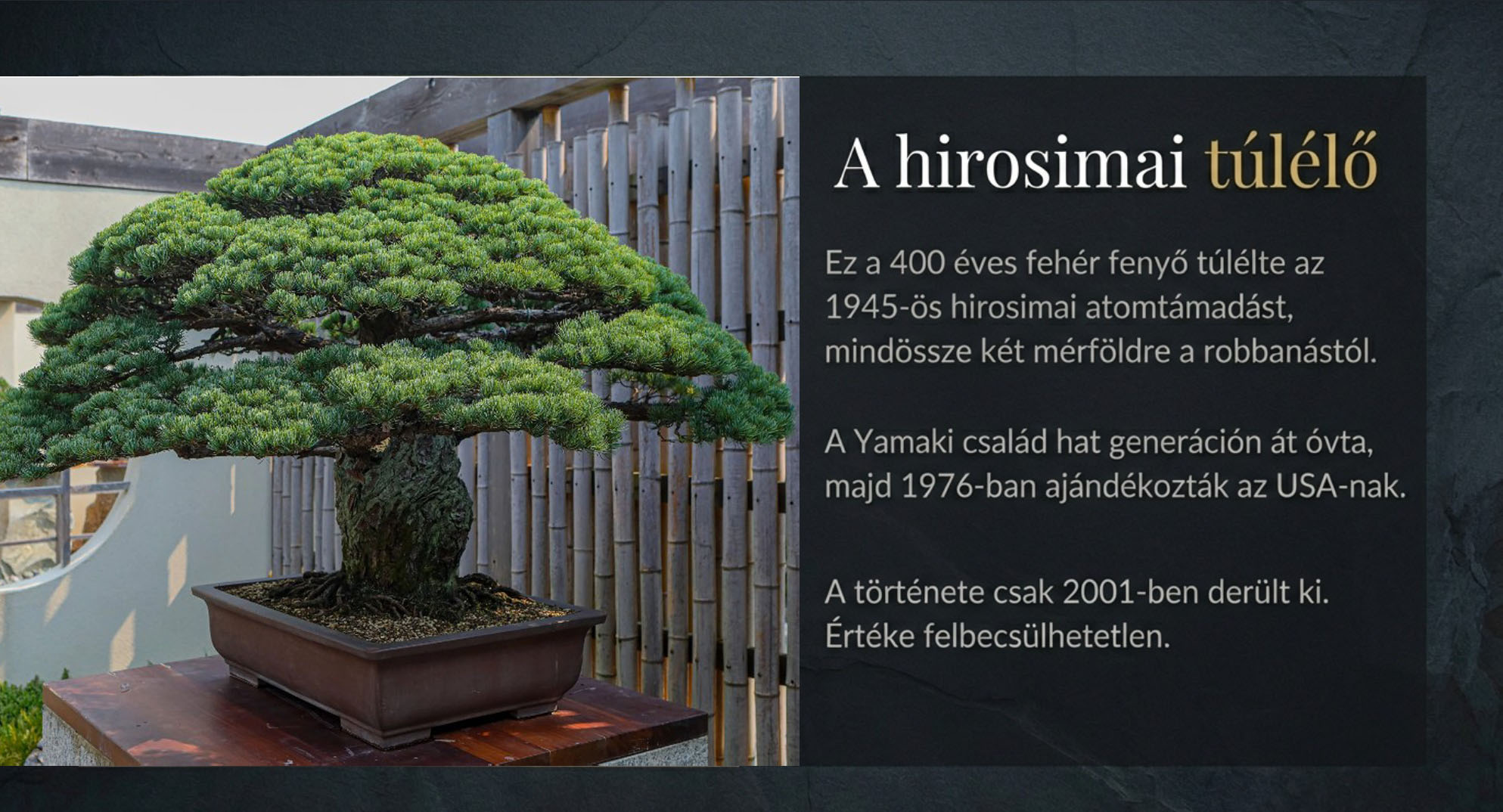
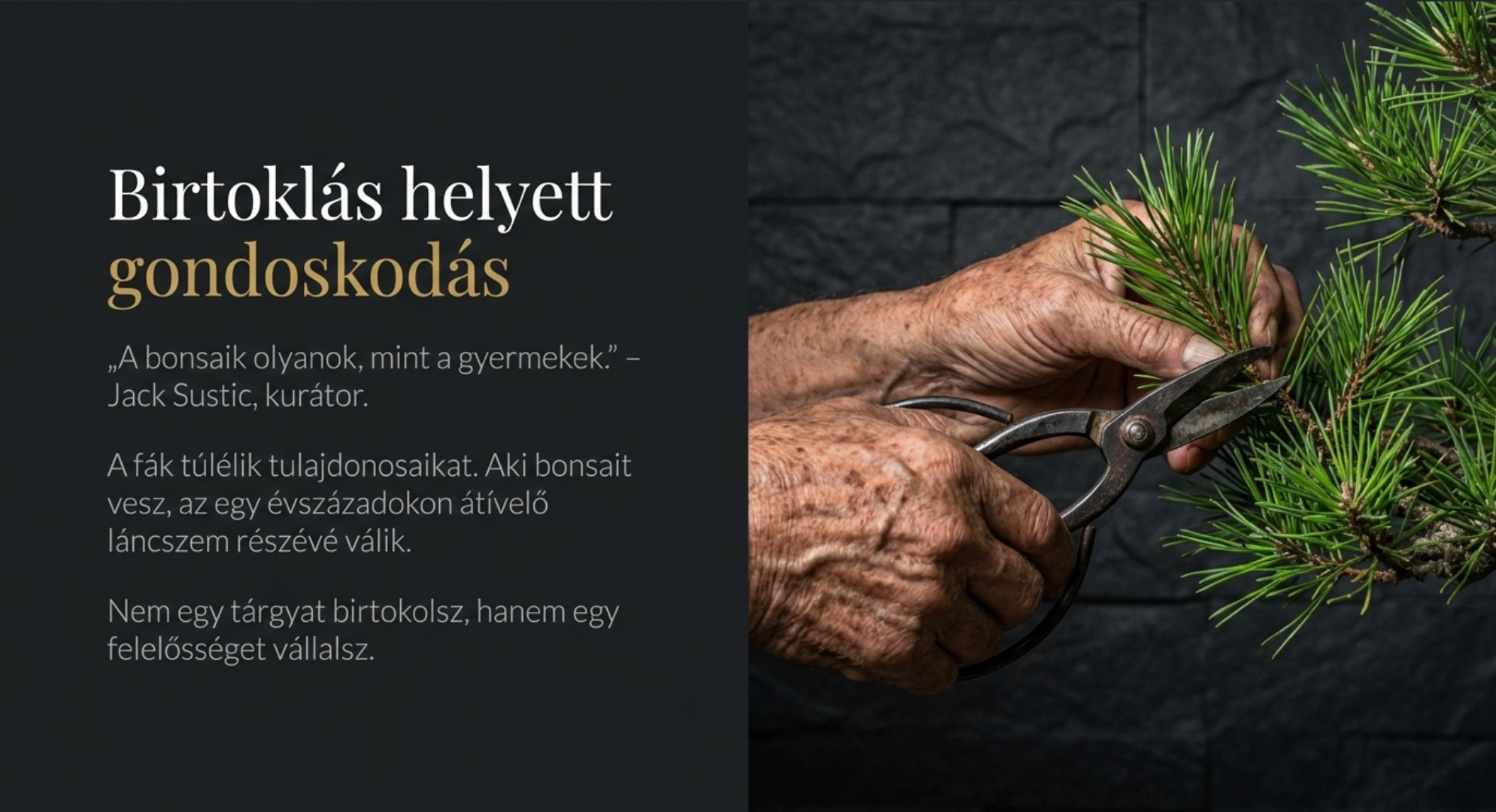
Whoever purchases a tree that is several hundred years old does not become an “owner” — they become a temporary guardian. They accept the responsibility of carrying forward a tradition that began before they were born and will continue after they are gone. Because the tree has outlived its previous keepers, and it will outlive the generations to come. The true price of bonsai is not what you see on the price tag. It is the time that people have invested in caring for the tree. And you — are you ready to take that on?