How to Prune a Japanese Maple?
A pruning guide for achieving healthy, well-shaped trees
Why prune a Japanese maple?

Health
Proper pruning improves airflow through the canopy, reducing the risk of fungal disease.
Aesthetics
Our goal is to preserve or enhance the tree's natural, graceful form. A Japanese maple can be a living work of art in our garden.
Renewal
Removing dead portions stimulates the growth of new, healthy shoots.
Pruning is one of the most important aspects of Japanese maple care, contributing to the health, aesthetics, and longevity of these beautiful trees. Proper pruning helps maintain the desired shape, improves airflow between branches, and encourages the development of new shoots. In this article, I’ll walk through practically everything worth knowing about pruning a Japanese maple.
Pruning is a delicate balancing act between the tree’s health, its natural form, and its aesthetic appearance. While these trees don’t respond well to excessive intervention, they do reward thoughtful, minimal pruning. Before reaching for the pruning shears, it’s worth understanding what we’re working with. The Japanese maple has a refined branch structure, sensitive bark, and growth habits that vary by cultivar. Some grow upward, others spread outward, and still others develop layered, almost tiered canopies. There is no universal formula: pruning must always be tailored to the individual tree’s nature.
When should we prune?
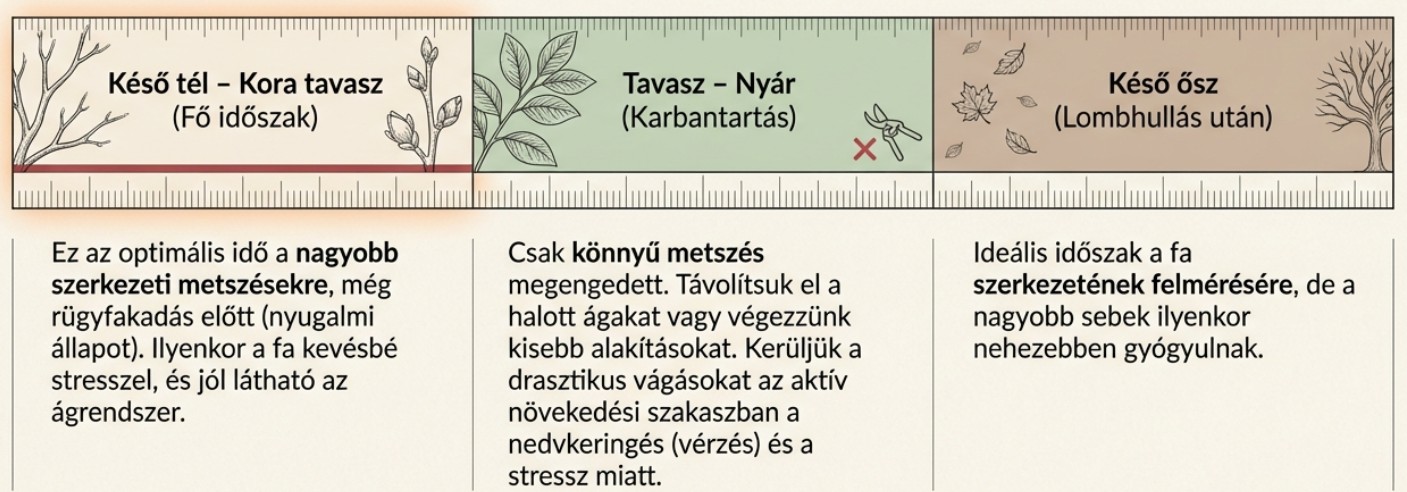
Timing is crucial. The most suitable period for pruning a Japanese maple is late winter through early spring, when the tree is still dormant but the buds are beginning to swell. At this time, pruning is less stressful for the tree, the risk of disease is lower, and the tree can more efficiently direct its resources to the most important branches at the start of the growing season. If a branch is removed at the beginning of the season, for example, the tree no longer “spends” energy on that lost branch and can redirect it to the remaining, healthy parts. During this period, larger structural work can also be carried out, as the branch structure is clearly visible without foliage. Heavy pruning should be avoided during the growing season, as new shoots triggered at that time can be more vulnerable. Light, maintenance pruning — such as removing dead or damaged branches — can, however, be done year-round. After leaf fall in autumn, minor corrections are also possible, but more significant cuts are not recommended at that point, as the tree is preparing for dormancy.
Pruning always begins with an assessment of the tree’s condition. Recognising dead or diseased portions is essential. These branches are not only visually distracting but also threaten the tree’s health. Problems are often visible in the leaves: discolouration, spotting, or wilting may indicate disease, while completely dried foliage signals a dead branch. It’s also worth examining the bark of branches. Healthy bark is smooth and vibrant, while sick or dead sections may be cracked, peeling, or unusually coloured. A careful scrape can also reveal a great deal: healthy tissue is greenish or whitish, while brown, dry interior tissue indicates a problem. Branches that are brittle and snap easily are likewise dead, as are shrunken or absent buds — particularly telling in winter.

Shaping the canopy
Japanese maples are prized for their graceful, elegant appearance. Shaping the canopy is one of the key elements of Japanese maple care, contributing significantly to the tree’s aesthetic value and overall health. The fine, airy branches of these trees make them particularly well suited to refined, artistic pruning. Shaping the canopy is therefore one of the most rewarding — yet most attentive — aspects of Japanese maple pruning. We love these trees for their natural elegance, so the goal is not dramatic transformation but rather the enhancement of their proportions. It’s worth observing the tree’s natural silhouette, then removing the branches that disrupt the overall picture.
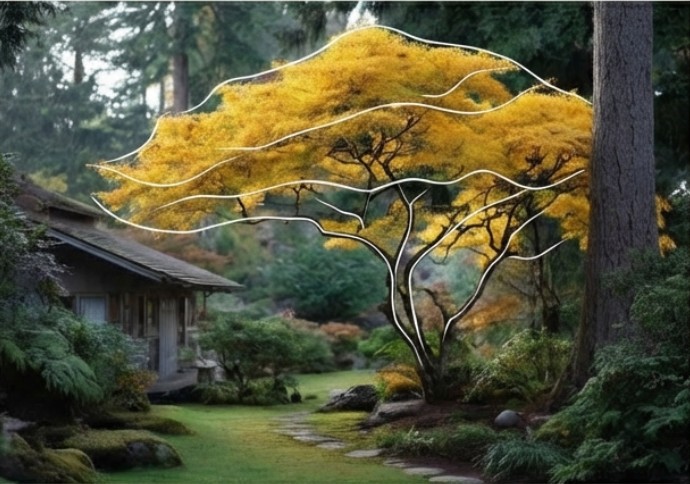
Before you begin shaping, take time to observe your Japanese maple’s natural form. These trees have unique growth habits, and understanding the natural beauty within them guides your pruning decisions. Every Japanese maple is different, so it’s important to get to know your individual specimen’s natural form as well as its cultivar characteristics. Identify the primary branches that define the tree’s structure. These are typically the thicker, more prominent branches that establish the canopy’s basic form. Preserve the primary branches while selectively removing the smaller, interior ones. Examine the canopy and look for branches that cross one another or grow too densely. Removing these creates a more open structure, allowing better light penetration and effective air circulation. It’s worth stepping back from time to time and viewing the tree as a whole, to ensure the form remains balanced and harmonious. Seen from above — imagine a bird needing to fly through the tree without its wings touching any branches. The Japanese maple often develops a layered branch structure; this natural stratification is worth preserving, as it gives the tree its distinctive character.
If your Japanese maple has outgrown its allotted space, pruning can regulate its size — primarily by reducing branch length — while preserving the tree’s natural elegance.
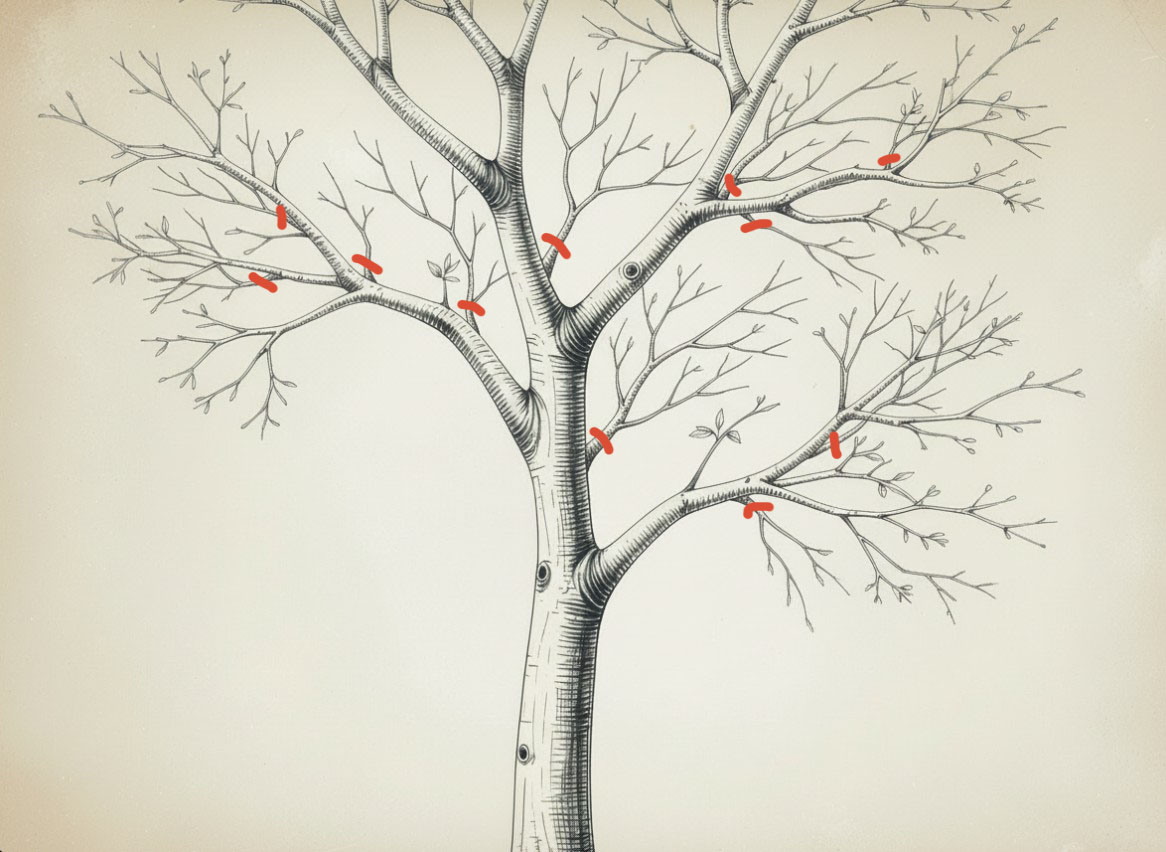
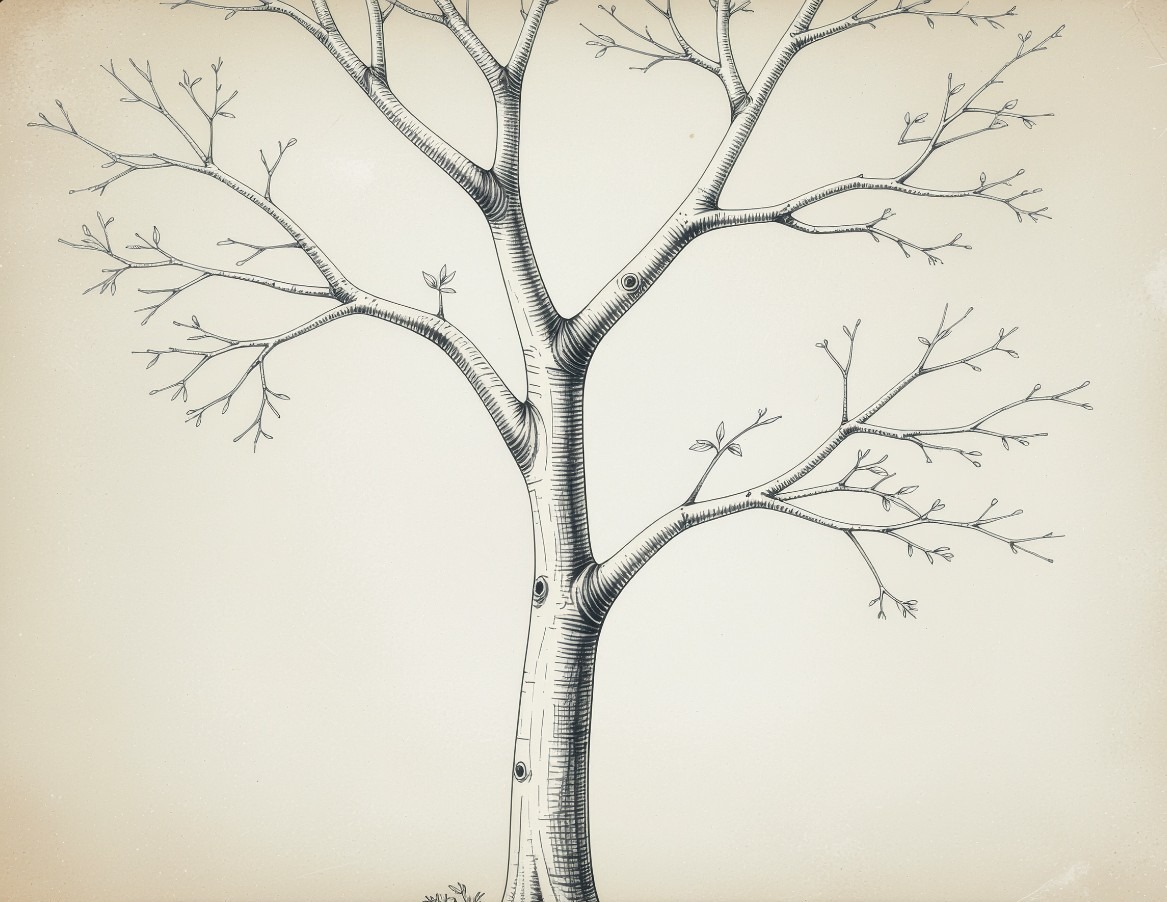
In the list below I’ve gathered the criteria I typically follow when selecting branches for removal during pruning:
What tools should we use?
Proper tool use is fundamental to pruning. Always work with sharp, clean instruments, as clean cuts heal faster and are less likely to become infected.
For Japanese maples, it’s well worth acquiring the concave pruning shears well known in the bonsai world, which allow precise cuts to be made in tight spots where multiple branches meet. These shears are strong enough to cut through small and medium-sized branches, yet sharp enough to leave a clean cut — so the tree remains beautiful even after pruning. Thanks to their robust construction, they can be used for many years. Tools must be disinfected before and after each use, especially when removing diseased portions. Safety should not be overlooked either — wearing protective eyewear helps avoid injury (when examining branches up close, it’s easy to get an eye-full of a twig :D).
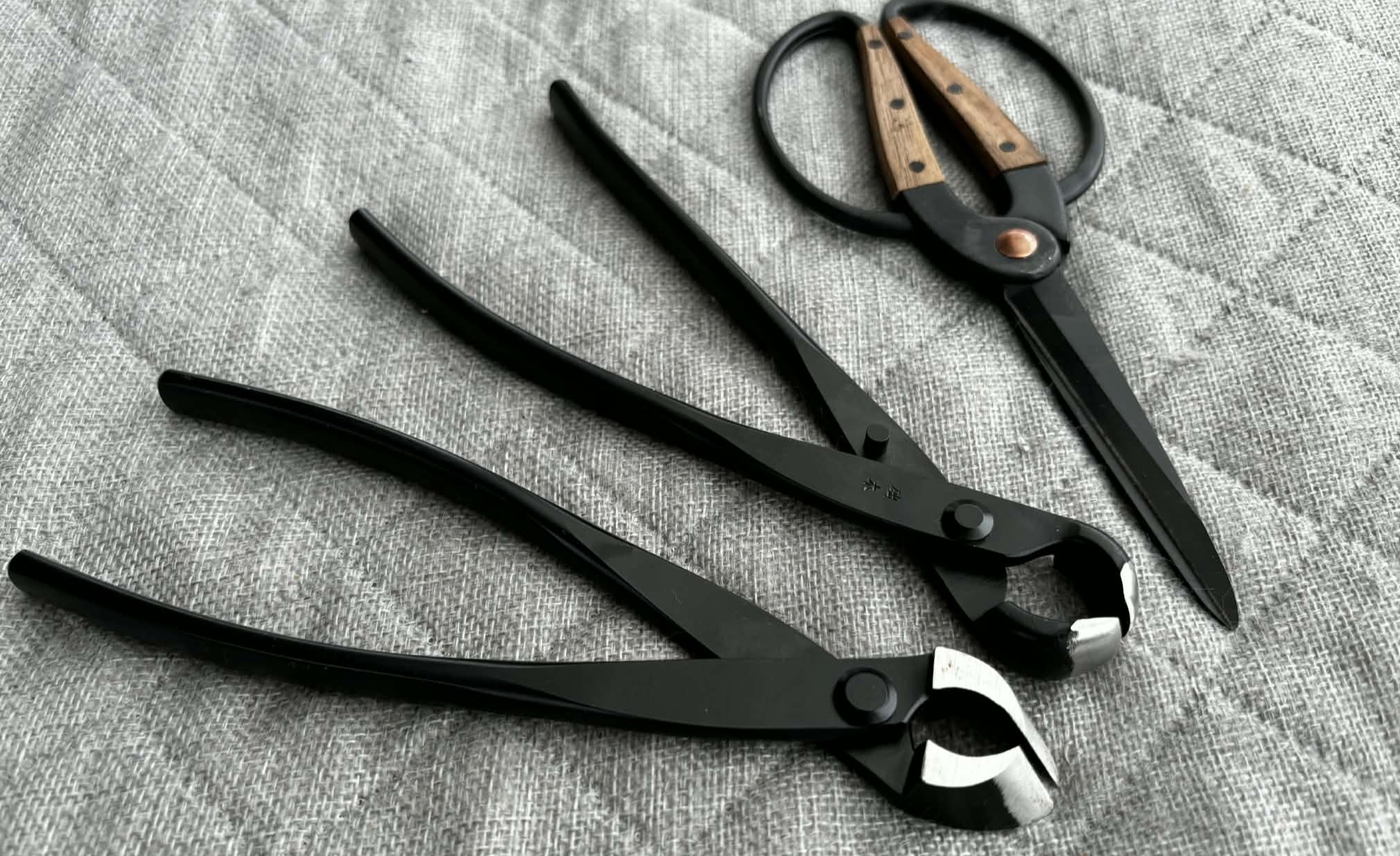
For medium and larger branches, a good-quality lopper is essential. Loppers have long handles that provide greater leverage for cutting through thicker branches. The longer arms also help safely reach branches that are higher up or more difficult to access. For removing larger branches, a pruning saw is needed. A curved-blade, fine-toothed pruning saw is ideal for clean and controlled cuts. It allows thicker wood to be removed efficiently without causing unnecessary damage.
For the highest, most inaccessible branches, a pole pruning saw (a saw fitted with an extension pole) is required. These allow upper branches to be reached without using a ladder and are particularly useful for removing dead or unwanted growth in the upper part of the canopy.
Aftercare
After pruning, caring for the tree is at least as important as the intervention itself. Pruning wounds generally do not need to be sealed with wound dressing, as natural ventilation aids healing. The question of post-pruning wound treatment divides gardeners and bonsai practitioners alike. The older school of thought held that after cutting thicker branches, applying wound sealant paste was obligatory — otherwise the tree would “become infected” or fail to heal properly. However, over recent decades, much research and practical experience has shown that the tree’s natural wound-healing process is often more effective when left unsealed. The Japanese maple — with proper pruning technique — is surprisingly capable of closing its own wounds independently. Fresh cut surfaces need air; natural ventilation supports callus formation and results in faster, healthier wound closure over the long term.
Overly thick, poorly ventilated wound sealants frequently produce the opposite effect: they trap moisture, creating a favourable environment for fungi and pathogens. This is especially true when the cut is not clean or the tool was blunt. For this reason, the most important “wound treatment” is the precision of the cut itself. With a sharp, clean tool and a well-chosen cut point, the tree’s own defence mechanisms are perfectly sufficient.
This does not mean, of course, that wound sealant should never be used. For very thick branches, or during sensitive periods — such as prolonged wet weather — a thin, breathable paste may be justified.
Pruning a Japanese maple is not a one-time task but an ongoing process. Watch the tree’s reactions, the direction and vigour of new shoots, and use these observations to refine your approach with each subsequent pruning. Patience is a true virtue here: gradual, considered interventions produce more natural, lasting results. A well-pruned Japanese maple will not only be healthier in the long run but will also retain that calm, elegant presence for which we love it so dearly.
Summary table for timing